Decoding Slot Volatility Patterns Through Crypto Bonus Redemption in Remote Live Sessions
Finley Müller · Oct 27, 2026
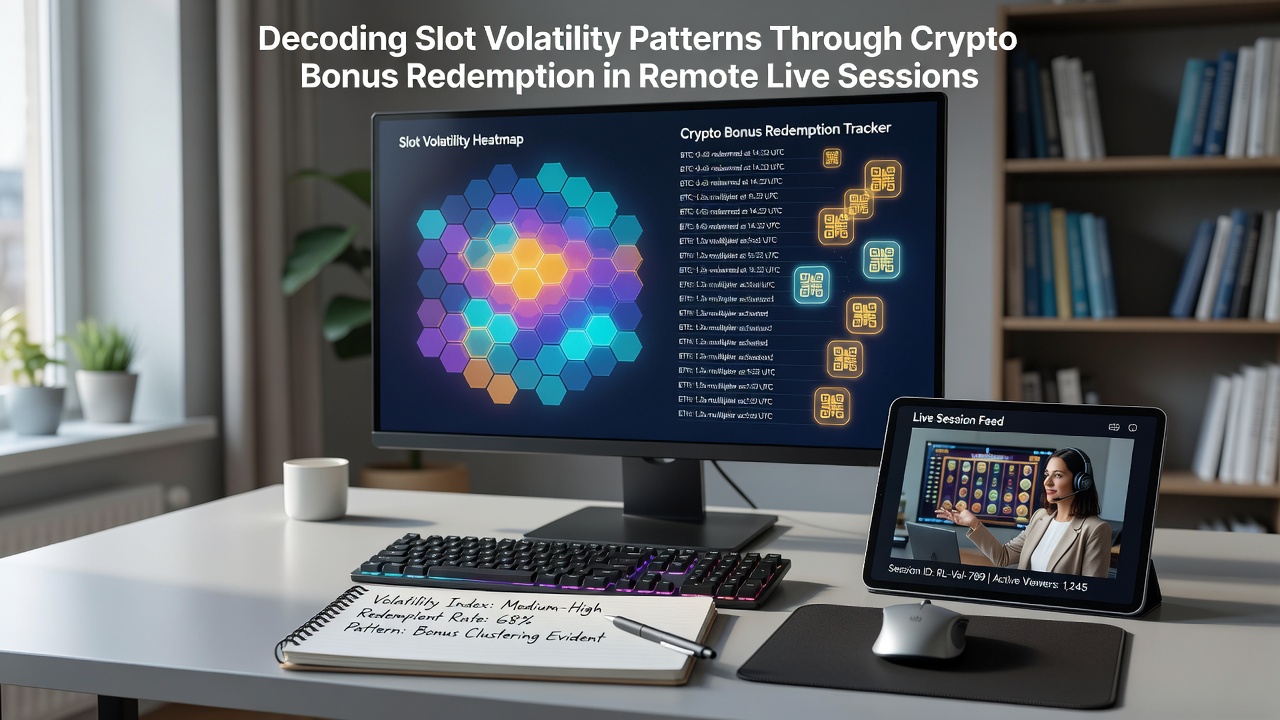
Decoding Slot Volatility Patterns Through Crypto Bonus Redemption in Remote Live Sessions
Slot volatility refers to the statistical measure of risk in slot machine outcomes where high-volatility titles deliver infrequent but larger payouts while low-volatility games produce more frequent smaller wins and observers track these patterns through player data across digital platforms. Remote live sessions integrate live dealer elements with cryptocurrency bonus systems and redemption logs from these sessions generate timestamped records of bonus claims and wager outcomes that researchers examine for volatility signals. In October 2026 multiple platforms reported increased integration of crypto wallets with live dealer interfaces and this shift allowed analysts to correlate bonus redemption timing with session-level return-to-player fluctuations.
Understanding Volatility Metrics in Digital Slot Environments
Volatility calculations rely on standard deviation formulas applied to payout distributions and software providers publish theoretical volatility indices for each title while operators collect real-time data from player sessions to validate those models. Crypto bonus redemptions introduce an additional data layer because players must meet wagering requirements before withdrawing funds and the speed plus frequency of successful redemptions reveal whether a game behaves according to its labeled volatility rating. Studies conducted by academic groups in Australia have shown that redemption patterns cluster differently across volatility tiers when sessions involve live dealer interactions compared with automated slot play alone.
Those who've examined aggregated platform logs note that high-volatility slots paired with crypto bonuses often produce longer streaks of zero-redemption events followed by sudden clusters of completed withdrawals once a large payout occurs. This pattern emerges because bonus funds must cycle through the required number of spins before eligibility and live session chat logs sometimes capture player decisions to switch games mid-session when redemption attempts fail repeatedly. Data from regulatory filings in several Canadian provinces indicate that operators began tagging crypto bonus redemptions with volatility flags as early as mid-2025 to improve compliance reporting.
How Crypto Bonus Redemption Creates Observable Patterns
Bonus structures typically include deposit-match percentages and free spin allocations funded through cryptocurrency networks and each redemption attempt generates a transaction hash that platforms log alongside game identifiers and session durations. Analysts decode volatility by mapping these hashes against known payout tables and observing whether the distribution of successful versus failed redemptions matches expected variance levels. When a cluster of redemptions occurs within a narrow time window on a single title it suggests the underlying volatility may be lower than advertised while scattered infrequent successes align with higher volatility expectations.
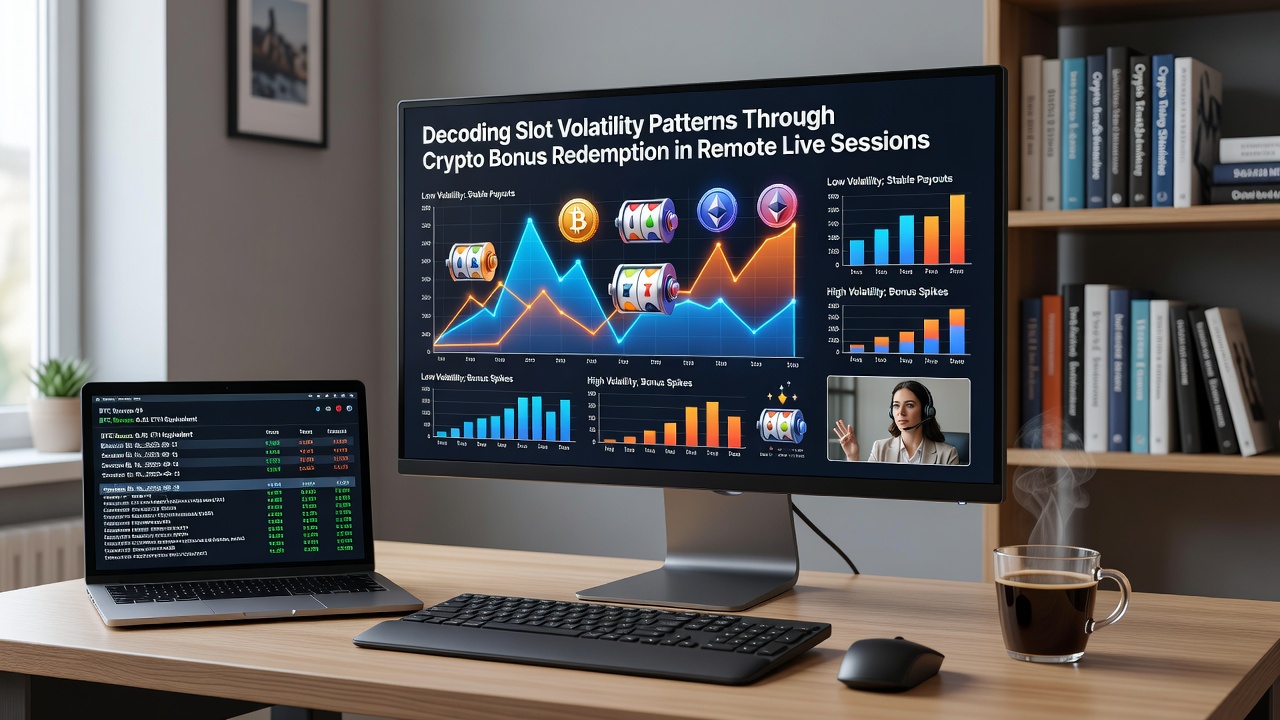
Remote live sessions add complexity because dealers interact with players in real time and some platforms allow bonus activation during the live segment itself which creates hybrid data points combining table game decisions with slot volatility tracking. According to a 2026 report issued by the Responsible Gambling Council redemption timing data from crypto-enabled sessions showed measurable differences in volatility perception across player segments. European operators participating in industry consortiums have begun sharing anonymized redemption datasets with university research teams to refine volatility estimation algorithms that account for bonus mechanics.
Data Collection Methods Across Platforms
Operators record every bonus activation, wager amount, game outcome and redemption request in structured databases that support both regulatory audits and internal analytics and these datasets grow rapidly when live sessions run continuously across multiple time zones. Researchers apply time-series analysis to redemption sequences to identify volatility signatures and they compare results against control groups using traditional fiat bonuses to isolate the effect of cryptocurrency processing speeds. Platforms in regions overseen by the Australian Gambling Research Centre have contributed anonymized logs that demonstrate how redemption latency correlates with declared volatility ratings during peak evening hours.
Live dealer technology records additional metadata such as player chat timestamps and camera feed interruptions that sometimes coincide with bonus redemption attempts and these contextual markers help analysts filter noise from genuine volatility signals. As of October 2026 several major aggregators had implemented API endpoints that expose aggregated redemption statistics to approved researchers while preserving player anonymity through tokenization methods. The resulting datasets allow statistical modeling that treats each redemption event as a sample point within a larger volatility distribution.
Implications for Platform Design and Player Analytics
Platform teams use decoded volatility patterns to adjust bonus parameters in real time so that high-volatility titles receive bonus structures that encourage longer session engagement while low-volatility games receive offers that promote quicker redemptions. This calibration relies on continuous monitoring of redemption success rates segmented by game category and crypto network type. Observers note that live session interfaces increasingly display simplified volatility indicators derived from historical redemption data to assist players in selecting titles that match their risk preferences.
Technical teams integrate these indicators into recommendation engines that draw from both live session behavior and past bonus redemption history and the approach reduces mismatch between advertised game characteristics and actual outcomes experienced during play. Regulatory bodies in multiple jurisdictions have requested summaries of these internal analytics to verify that bonus terms remain transparent and consistent with published volatility information.
Conclusion
Redemption records from crypto bonuses in remote live sessions supply measurable data points that align with theoretical volatility models when analyzed at scale and operators continue to refine collection methods to support both compliance and product development needs. The patterns observed through these records reflect interactions between game mathematics, bonus structures and player decision timing across distributed platforms. Continued aggregation of such data through industry and academic channels supports more precise calibration of volatility disclosures in digital gaming environments.