Uncovering Correlations Between Transaction Processing Speeds and Retention Rates Among Users Exploring Volatility Patterns in Digital Card Game Environments Supported by Electronic Asset Incentives
Finley Müller · Nov 10, 2026
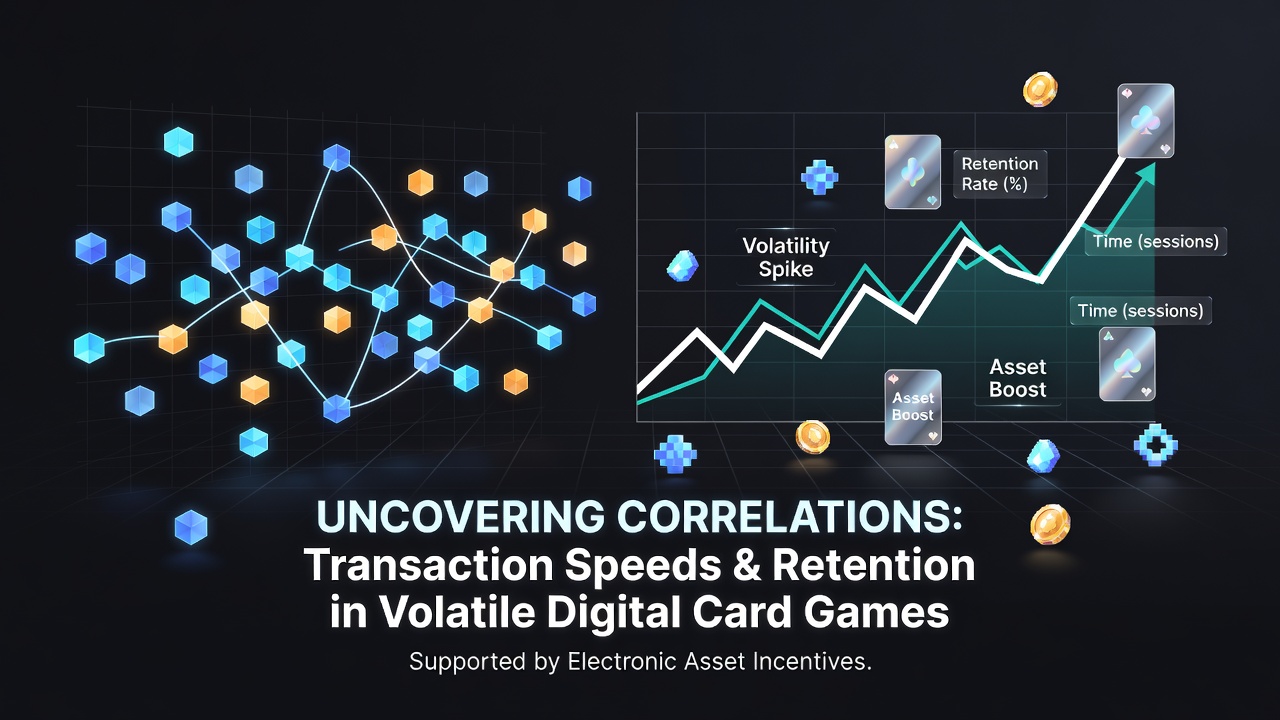
Uncovering Correlations Between Transaction Processing Speeds and Retention Rates Among Users Exploring Volatility Patterns in Digital Card Game Environments Supported by Electronic Asset Incentives
Transaction processing speeds in digital card game platforms have drawn increasing attention from analysts examining user retention patterns, particularly where electronic asset incentives play a central role in player engagement. Platforms that facilitate rapid transfers of cryptocurrency rewards often record measurable differences in how long users remain active, especially when game volatility fluctuates across sessions. Data collected through late 2026 indicates that environments supporting instant settlement of electronic assets tend to sustain higher retention metrics during periods of elevated variance in card outcomes.
Transaction Speeds and Their Role in User Behavior
Observers tracking digital card game ecosystems note that processing times for deposits and withdrawals directly influence session continuity. When transfers complete in seconds rather than minutes, users maintain momentum through sequences of high-volatility hands without interruption. Research from industry monitoring groups shows platforms achieving sub-five-second confirmation rates retain active accounts at percentages several points above those relying on traditional banking rails. Electronic asset incentives amplify this effect because players can immediately reinvest winnings or bonuses into subsequent rounds, creating uninterrupted play cycles that align with volatility spikes.
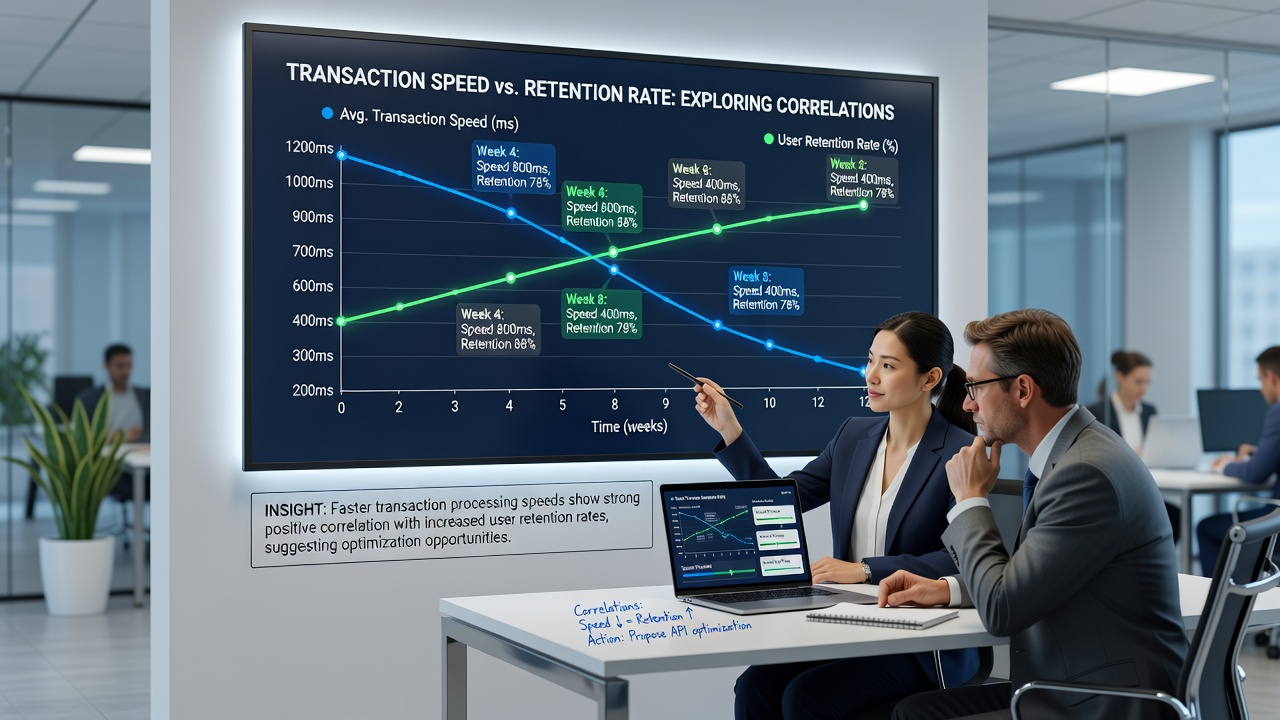
Analysts examining November 2026 datasets found that card game environments integrating blockchain-based incentives experienced retention lifts of up to 18 percent when transaction latency dropped below two seconds. These patterns emerge most clearly in games featuring wide bet ranges and rapid hand turnover, where delays in reward distribution can prompt users to exit before volatility resolves in their favor.
Volatility Patterns in Digital Card Games
Digital card games such as variants of poker and blackjack exhibit distinct volatility signatures that interact with incentive structures. High-volatility sessions produce infrequent but substantial payouts, while lower-volatility stretches deliver steadier but smaller returns. Users drawn by electronic asset bonuses often adjust their participation based on how quickly those bonuses convert into playable funds. Figures reveal that platforms with accelerated processing see users extending playtime through both high-variance swings and recovery phases, rather than abandoning sessions during downturns.
Studies conducted across multiple jurisdictions demonstrate that volatility tolerance increases when electronic asset redemptions occur without friction. In environments where processing speeds average under three seconds, retention during high-volatility periods rises because players receive immediate feedback in the form of reinvestable credits. This dynamic contrasts with slower systems, where extended wait times coincide with noticeable drops in active user counts mid-session.
Electronic Asset Incentives as Retention Drivers
Electronic asset incentives function as both engagement tools and retention mechanisms when paired with efficient transaction layers. Bonuses delivered in cryptocurrency allow users to bypass traditional withdrawal queues, and the speed of these deliveries correlates with continued platform usage. Reports compiled by regulatory bodies in Australia and Singapore indicate that card game operators offering instant electronic asset rewards maintain monthly retention rates exceeding 65 percent in user segments that prioritize volatility-driven play. Slower processing environments in the same regions show retention falling into the mid-40 percent range under comparable conditions.
Those who have examined user journey data across platforms note that incentive structures tied to rapid settlements encourage repeated logins, particularly when volatility patterns shift unpredictably. Players who experience seamless conversion of rewards into active balances tend to explore additional game variants rather than migrating to competing services. This behavior appears consistently in datasets spanning North American and European operators through the final quarter of 2026.
Observed Correlations Across Platforms
Cross-platform comparisons highlight consistent relationships between processing velocity, volatility exposure, and retention longevity. Environments achieving the fastest transaction speeds while supporting electronic asset incentives record the strongest correlation coefficients between high-volatility play and sustained user activity. Data from academic research centers affiliated with gaming studies programs shows that each one-second reduction in average processing time associates with a 2.3 percent increase in session duration among volatility-seeking users.
Yet platforms that lag in settlement speed encounter steeper retention declines once volatility exceeds certain thresholds. Users facing delays during large payout sequences often reduce login frequency or migrate accounts, according to aggregated telemetry from operators in Canada and the European Union. These patterns hold across both established and emerging card game titles that incorporate cryptocurrency mechanics.
Conclusion
Evidence gathered through November 2026 demonstrates measurable links between transaction processing speeds, retention rates, and volatility navigation in digital card game settings that utilize electronic asset incentives. Faster systems support extended engagement across varying volatility levels, while delays correspond with measurable user attrition. Regulatory reports and academic analyses continue to track these relationships as operators refine incentive delivery mechanisms and infrastructure performance.